
Metabolic health, made measurable
Know which numbers matter, what actually moves them, and how to start with a simple 14-day plan.
- <100 mg/dL
- Normal fasting glucose (ADA)
- <5.7%
- Normal HbA1c (ADA)
- 150 min
- Weekly activity, plus 2 strength days (CDC)
- ½ your height
- A simple ceiling for waist size
Meal Timing
Drag across the chart, or use the slider, to compare any moment after eating.
Both lines come from the same foods. The gap between them is what meal order can change.
Illustrative shape, not your data. Based on the direction of findings in small meal-order trials.
Educational only. This guide doesn’t replace medical advice. If you have diabetes or heart disease, are pregnant, or take glucose-lowering medication, talk with your clinician before changing your diet, fasting or supplements.
Where to start
Metabolic health is how well your body handles fuel: how steadily your blood sugar behaves, how responsive you are to insulin, and where you carry fat. Five levers do most of the work.
- Move your big musclesAim for strength training on at least two days and 150 minutes of brisk activity each week. Short walks after meals add to that.
- Protect your sleepIn lab studies, a single week at five hours a night measurably reduced insulin sensitivity in healthy men.
- Eat mostly minimally processed foodIn a controlled NIH trial, people ate about 500 more calories a day on an ultra-processed diet and gained weight.
- Watch your waist, not only your weightA waist under half your height is a quick check that works across body types.
- Measure, then adjustAnnual labs and a monthly waist measurement are enough for most people. A short glucose-monitor trial is optional.
Muscle, sleep and steady glucose do most of the work.
How metabolism works
Six ideas explain most of what shows up on a lab report.
Insulin sensitivity
How readily your muscle, liver and fat respond to insulin. As sensitivity drops, the pancreas makes more insulin to compensate, so fasting glucose can look normal for years while insulin quietly climbs. Exercise, sleep and less visceral fat all improve it.
Glycation and HbA1c
HbA1c shows the share of your hemoglobin carrying glucose, averaged over roughly three months. It’s a lagging indicator, so don’t expect it to move in two weeks.
Metabolic flexibility
Your ability to shift between burning carbohydrate and fat as supply and demand change. Regular activity and muscle mass support it. Research labs measure it with indirect calorimetry, but there’s no routine clinical test.
Mitochondrial fitness
Mitochondria turn fuel into usable energy, and aerobic training increases their capacity. Easy, conversational-pace cardio (often called zone 2) is a practical way to build that base, though evidence that it beats other intensities is limited.
Chronic inflammation
Low-grade inflammation tends to travel with visceral fat, poor sleep and inactivity. hsCRP is a rough marker of it, but it also rises with infections, so retest a couple of weeks after being sick.
Visceral fat
Fat stored around your organs is more metabolically active than fat under the skin. Waist-to-height ratio picks it up better than BMI, and a ratio of 0.5 or higher flags added risk even at a “normal” weight.
Know your numbers
Guideline cut-offs tell you when to talk to a clinician. They aren’t a finish line, and the trend over time matters more than any single result.
| Marker | Typical healthy range | Worth following up | What it tells you |
|---|---|---|---|
| Fasting glucose | Under 100 mg/dL | 100–125 is the prediabetes range. 126 or higher is in the diabetes range. | Overnight glucose regulation |
| HbA1c | Under 5.7% | 5.7–6.4% is prediabetes. 6.5% or higher is the diabetes range. | Average glucose over about 3 months |
| Triglycerides | Under 150 mg/dL | 150 or higher counts toward metabolic syndrome | Often rises with insulin resistance, alcohol and refined carbohydrate |
| HDL cholesterol | 40+ (men), 50+ (women) | Below those levels counts toward metabolic syndrome | One signal among many, not a number to keep pushing upward |
| Blood pressure | Under 130/85 mmHg | 130/85 or higher counts toward metabolic syndrome | Often missing from “metabolic” panels, yet part of the definition |
| Waist | Under half your height | Ratio of 0.5 or higher. In the US, 40 in (102 cm) for men or 35 in (88 cm) for women meets the syndrome cut-off; thresholds are lower for some ancestries. | Visceral fat and cardiometabolic risk |
| Fasting insulin | Lab ranges are wide | Many clinicians look closer above roughly 10–12 µIU/mL | An early sign of insulin resistance. It isn’t a diagnostic test and assays vary. |
| HOMA-IR | Under about 2.0 | Around 2.0–2.9 suggests early resistance. 3.0 or higher suggests significant resistance. | Insulin resistance estimated from fasting glucose and insulin. Cut-offs vary by lab and population. |
| hsCRP | Under 1 mg/L | Above 3 mg/L suggests higher risk | Low-grade inflammation |
What counts as metabolic syndrome
Having three or more of these five criteria meets the harmonized international definition:
- Large waist for your population
- Triglycerides of 150 mg/dL or higher
- HDL below 40 (men) or 50 (women)
- Blood pressure of 130/85 or higher
- Fasting glucose of 100 mg/dL or higher
Treatment for any of these also counts.
Quick calculators
Estimates only. These aren’t diagnoses.
Habits that move the numbers
Each habit below is tagged by how strong the evidence is. “Strong” means consistent results from controlled trials or major guidelines. “Moderate” means smaller or shorter studies. “Mixed” means results depend on who’s studied and how.
What helps
Strength training, two or more days a week Strong
Muscle is the largest place your body stores and clears glucose. In people with type 2 diabetes, resistance training lowered HbA1c by about 0.4 percentage points in a large network meta-analysis.
150+ minutes of brisk aerobic activity a week Strong
Walking, cycling and swimming all count. In the same meta-analysis, aerobic training and interval training each lowered HbA1c by roughly 0.6 points. Intervals did slightly better, but the best plan is the one you’ll keep doing.
A short walk after meals Strong, short-term
A meta-analysis of seven studies found that light walking breaks of just 2–5 minutes lowered glucose by about 17% on average compared with sitting, and standing did about half as well. The effect is same-day, so make it a habit after your biggest meal.
7–9 hours of sleep Strong in lab studies
One week at five hours a night cut insulin sensitivity by about 11% to 20% (depending on the test) in healthy men. Even three nights of moderate restriction had an effect in young adults. These studies are small and short, so long-term effects are inferred.
Protein and vegetables before carbohydrates Moderate
In a 15-person crossover trial in prediabetes, eating protein and vegetables first lowered the post-meal glucose curve by about 39% compared with eating carbohydrates first. Similar acute effects have been reported in healthy adults, but long-term benefit hasn’t been tested.
Meals built from minimally processed food Strong
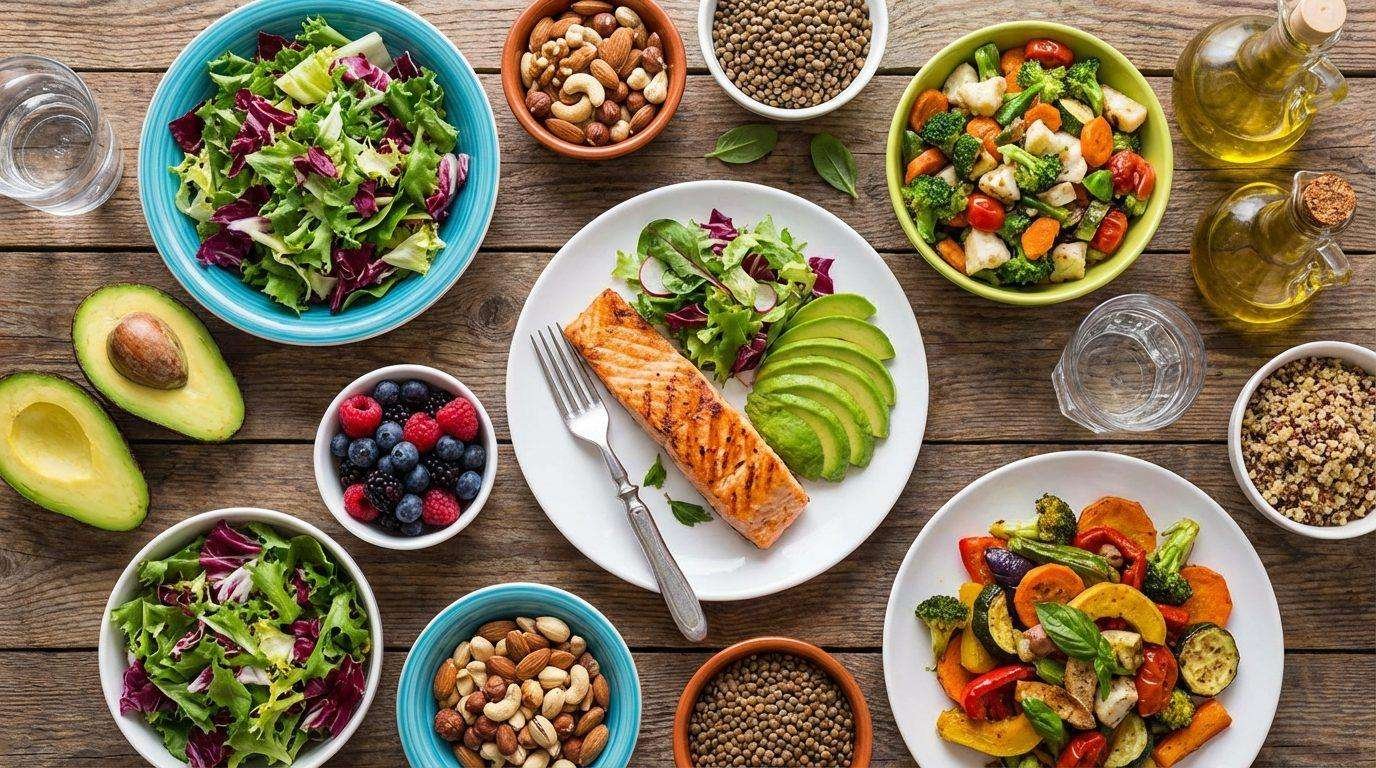
Fiber, protein and whole-food structure help you feel full on less. It’s the simplest way to improve diet quality without counting anything.
A consistent overnight eating break Mixed
A 12-hour gap between dinner and breakfast is easy for most people. Stricter 16:8 schedules haven’t beaten ordinary meal timing for weight loss in a 116-person randomized trial, though a smaller trial in type 2 diabetes found time-restricted eating worked at least as well as counting calories. If you take insulin or a sulfonylurea, check with your clinician first.
What quietly works against you
Long, unbroken sitting Consistent
Breaking up sitting with light walking lowered glucose compared with sitting straight through. Set a reminder to stand and move every 30–60 minutes.
Short or irregular sleep Consistent
Poor sleep and higher glucose go together, and poor sleep also makes cravings harder to manage the next day.
Sugary drinks and juice Consistent
A dose-response meta-analysis of cohort studies tied sugar in beverages to higher type 2 diabetes risk. It didn’t find the same consistent link for sugar eaten in food overall.
Ultra-processed eating patterns Strong
In an inpatient NIH trial, participants ate about 500 more calories a day on ultra-processed meals matched for sugar, fat and fiber, and gained about 0.9 kg in two weeks. They lost a similar amount on minimally processed meals.
Frequent or heavy drinking Widely accepted
Alcohol adds calories, fragments sleep and burdens the liver. Keep it modest, and skip it if you have fatty liver or are working on triglycerides.
Chronic stress Plausible
Stress, short sleep and snacking on convenience food tend to cluster. Treating sleep and stress together is usually more effective than treating either alone.
Training that helps most
The US guidelines ask adults for 150–300 minutes of moderate activity (or 75–150 minutes of vigorous activity) each week, plus muscle-strengthening work on two or more days. Here’s how that can look.
Strength
Full-body sessions built around squats, hinges, presses and rows. Add load slowly. It keeps muscle, which keeps glucose handling strong as you age.
Aerobic base
Brisk walking, easy cycling or swimming where you can still talk. Split it however suits your week; ten-minute chunks count.
Intervals (optional)
Short hard efforts with easy recovery between them. Build up gradually, and check with your clinician first if you have heart disease or other conditions.
Walk after meals
The lowest-effort habit with the clearest same-day payoff. After your largest meal gives you the most return.
Glucose data and CGMs
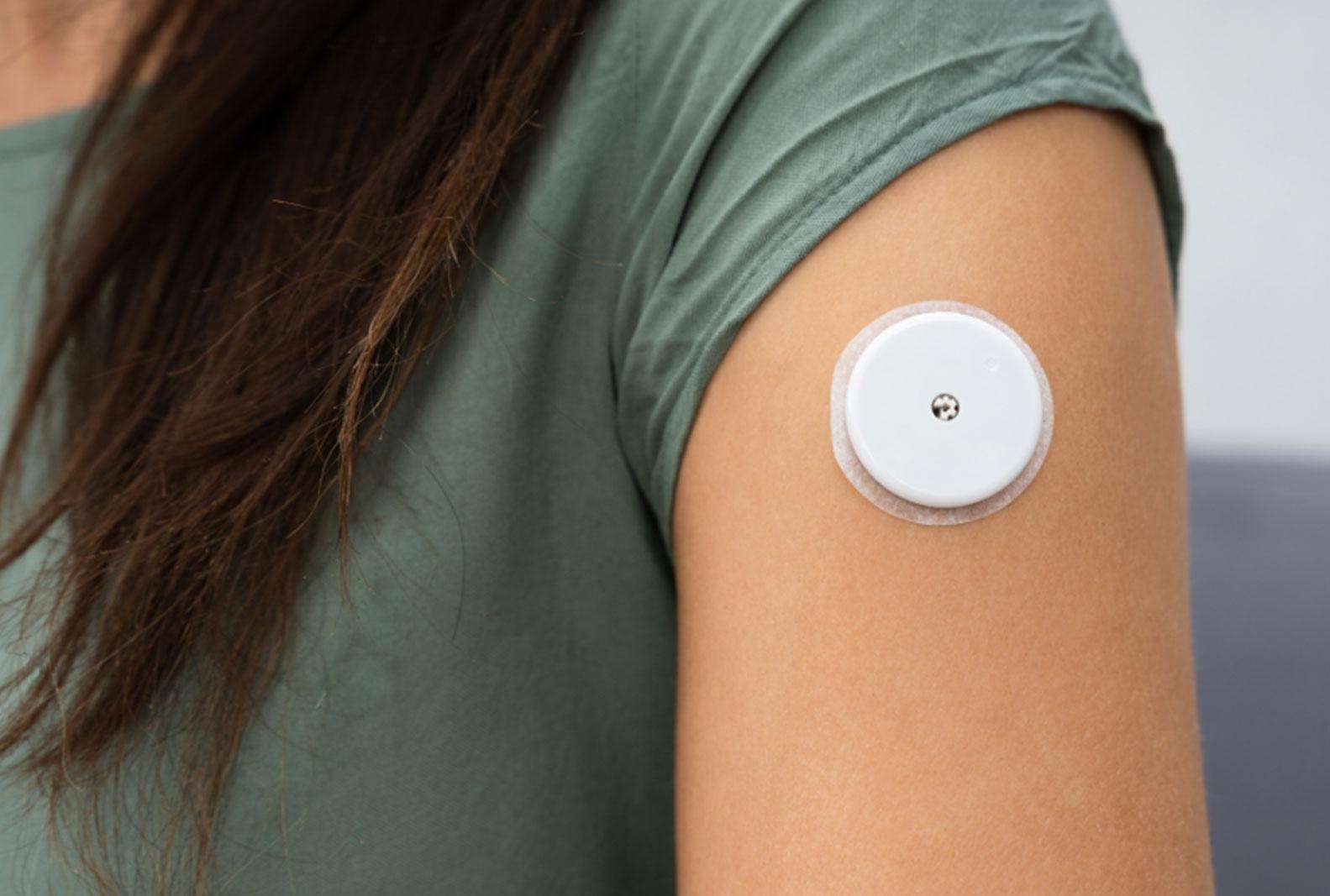
A continuous glucose monitor shows how your own body reacts to food, sleep and exercise. It’s useful, but “normal” is wider than many people expect.
Average glucose in healthy adults. In a multicenter study of healthy, non-obese people, mean glucose sat around 98–99 mg/dL. The median participant spent about 96% of the day between 70 and 140 mg/dL, with roughly 30 minutes a day above 140.
Real-world ranges are wider. A larger Framingham-based study of middle-aged and older adults found people without diabetes spend more time above 140 than earlier small studies suggested. Treat the figures above as reference points, not a pass or fail.
Look for trends, not single spikes. A rise after a carbohydrate-heavy meal is normal. What matters is how high it climbs, how quickly it comes back to baseline, and whether the same meal behaves differently with a walk or a different order.
Is a CGM worth it? You don’t need one. A two-to-four-week trial can reveal personal food responses, such as rice versus pasta, and it can motivate the post-meal walk. Over-reading every wobble can cause needless worry, so wear one with a question in mind and stop when you’ve learned the answer.
The 14-day reset
Four phases, each adding one layer. You won’t change HbA1c in two weeks, but you can build the habits that will.
- Day
1–3Set your baseline
Measure first, change a little- Measure your waist and height, and note your usual bedtime and wake time.
- Swap sugary drinks for water, tea or coffee.
- Build each meal around protein plus vegetables or other fiber.
- Walk 10–20 minutes after your largest meal.
- Day
4–7Add structure
Strength and a steady rhythm- Do two full-body strength sessions of 20–30 minutes.
- Try a 12-hour break overnight, for example dinner done by 8 pm and breakfast at 8 am.
- Fix your wake time and protect a 7–9 hour sleep window.
- Day
8–10Build the aerobic base
Easy cardio and smarter plates- Add two 30–45 minute sessions of brisk or conversational-pace cardio.
- Start meals with protein and vegetables, then add starches.
- Pair carbohydrates with protein and fiber, and try placing them around activity.
- Day
11–14Review and lock in
Choose what stays- Re-measure your waist and note your energy and sleep.
- If you haven’t had labs in the past year, book fasting glucose and HbA1c as your baseline.
- Choose three habits to keep as your metabolic minimum.
If you take insulin or a glucose-lowering medication, ask your clinician before fasting, cutting carbohydrates or increasing exercise, because doses sometimes need adjusting.
Common questions
Short answers to what people ask most.
How long until I see results?
Glucose responses to a single meal can change the same day, for example after a walk. Many people notice steadier energy within a couple of weeks. HbA1c needs about 8–12 weeks to reflect a change because it averages roughly three months.
My fasting glucose is normal. Am I fine?
Not necessarily. Insulin resistance can build for years while fasting glucose stays normal, because rising insulin compensates. Waist size, triglycerides, blood pressure, HDL and fasting insulin give a fuller picture.
Do I need a CGM?
No. Consistent movement, whole-food meals, good sleep and annual labs cover most people. Consider a short trial if you want feedback on specific foods.
Can supplements fix insulin resistance?
They’re add-ons, not fixes. Magnesium helps most when you’re low in it, with the clearest benefits in people who are deficient. Berberine has some trial support, but product quality and doses vary, and it can interact with medications. Vitamin D hasn’t been shown to improve insulin sensitivity when levels are already normal. Ask your clinician or pharmacist before starting anything, especially if you take glucose-lowering drugs.
Do I have to fast 16:8?
No. A steady 12-hour overnight break is easier to sustain and gets you most of the practical benefit. In a randomized trial, 16:8 didn’t beat regular meal timing for weight loss. Pick the pattern you can keep.
Do I need to go low-carb or keto?
No. Carbohydrate quality and your overall pattern matter more than a fixed number. Fiber-rich, minimally processed carbohydrates eaten with protein suit most people, and a lower-carb approach is an option if you find it easy to follow.
Your metabolic minimum
Eight habits that cover the basics. Pick three to start, and tick them as you go. Your selections stay in this browser.
Sources
- American Diabetes Association, Standards of Care in Diabetes 2026: Diagnosis and classification
- Harmonized criteria for the metabolic syndrome (Alberti et al. 2009), as tabulated
- CDC: Adult activity overview
- Network meta-analysis of exercise types and HbA1c in type 2 diabetes (Garcia et al.)
- Interrupting prolonged sitting with standing and light walking: systematic review and meta-analysis (Buffey et al., Sports Medicine 2022)
- Impact of food order on post-meal glucose in prediabetes
- Meal sequence and post-meal glucose in healthy adults: randomized crossover trial
- Sleep restriction for one week reduces insulin sensitivity in healthy men (Buxton et al.)
- Short-term moderate sleep restriction decreases insulin sensitivity in young adults
- TREAT randomized trial of time-restricted eating (JAMA Internal Medicine, 2020)
- Time-restricted eating versus calorie restriction in type 2 diabetes (JAMA Network Open)
- NIDDK: Ultra-processed foods and weight gain trial
- Continuous glucose monitoring profiles in healthy non-diabetic participants (Shah et al., 2019)
- Boston University: CGM ranges in adults without diabetes (Framingham cohort)
- Waist-to-height ratio as a screening tool: systematic review (Ashwell et al.)
- Magnesium supplementation and insulin resistance: systematic review
HOMA-IR, fasting insulin and hsCRP cut-offs are widely used conventions rather than formal diagnostic thresholds, and they vary by laboratory and population.